
Closing the loop
What bringing back portraits to elderly Chinese farmers taught me about the transformative power of ethnographic research.

Let me read this out to you! Above is an audio-narration by me, with original jingles by Jaren Yeung.
A brief preface / life update
/ explanation for this… not-so-brief hiatus.
The whirlwind began in the spring of last year, when I found out I’d been accepted onto my dream graduate programme and, suddenly, there was an end date to my hyper-mobile life-on-the-road in China.
In the months left of it, I squeezed in as many side quests as I possibly could: with the baodega in Sichuan, Flavors of Fujian in Fujian, Digging Deep | 挖根 in Taiwan, before crossing the Pacific—mainly to visit my mum, but also do a book tour (without a book)—then returning to China, briefly venturing into the pastures of Inner Mongolia, before making a final pilgrimage to my ancestral home in Shanxi, all while single-handedly orchestrating a two-day, 200-person forum in Shanghai, before, at last, crash-landing in the UK in October, just in time to start my current course: the MSc in Contemporary Chinese Studies, at the University of Oxford.
I take great pride in my adaptability, but this last transition proved harder than expected. It was so exciting, intellectually, to get to be in Oxford and read and discuss and theorise about contemporary China every day — yet as the term went on, I couldn’t help but feel further and further away from it.
The one thing that kept me grounded in my dislocation was the prospect of getting to go back for fieldwork over the winter break. I had proposed an ethnographic thesis project, to be carried out in Qitian – the nickname for a few neighbouring villages in Sichuan I visited in October 2024 and April 2025, which many of you will be familiar with by now. And indeed, the moment funding and ethics approval for the project came through, something shifted. Maybe it was the confirmation that I would soon be back that made all the reading and learning feel less abstract, less consumptive, more preparatory for the conversations I was about to have. Turns out, what I had missed was not just being in China, in “the field,” but being accountable to it.
I have now returned to Oxford and am stepping into this new term, new year (my year! the Year of the Horse), feeling so incredibly fortunate and grateful to get straddle these two worlds, and I want to do more to close the gap between them. What follows are some reflections on how, and why it feels important.
新年快乐,
薇薇
If you know me personally, you may know that I love a thoughtful, personalised gift. The kind that only I could give to you, maybe because of some very specific memory, specific inside joke we share, or because I noticed a need of yours before you did yourself.
And yet, travelling around China these past two years, I have given a lot of generic gifts. By necessity, of course, since I rarely knew anything in advance about the kind strangers who would end up opening up their homes and lives to me.
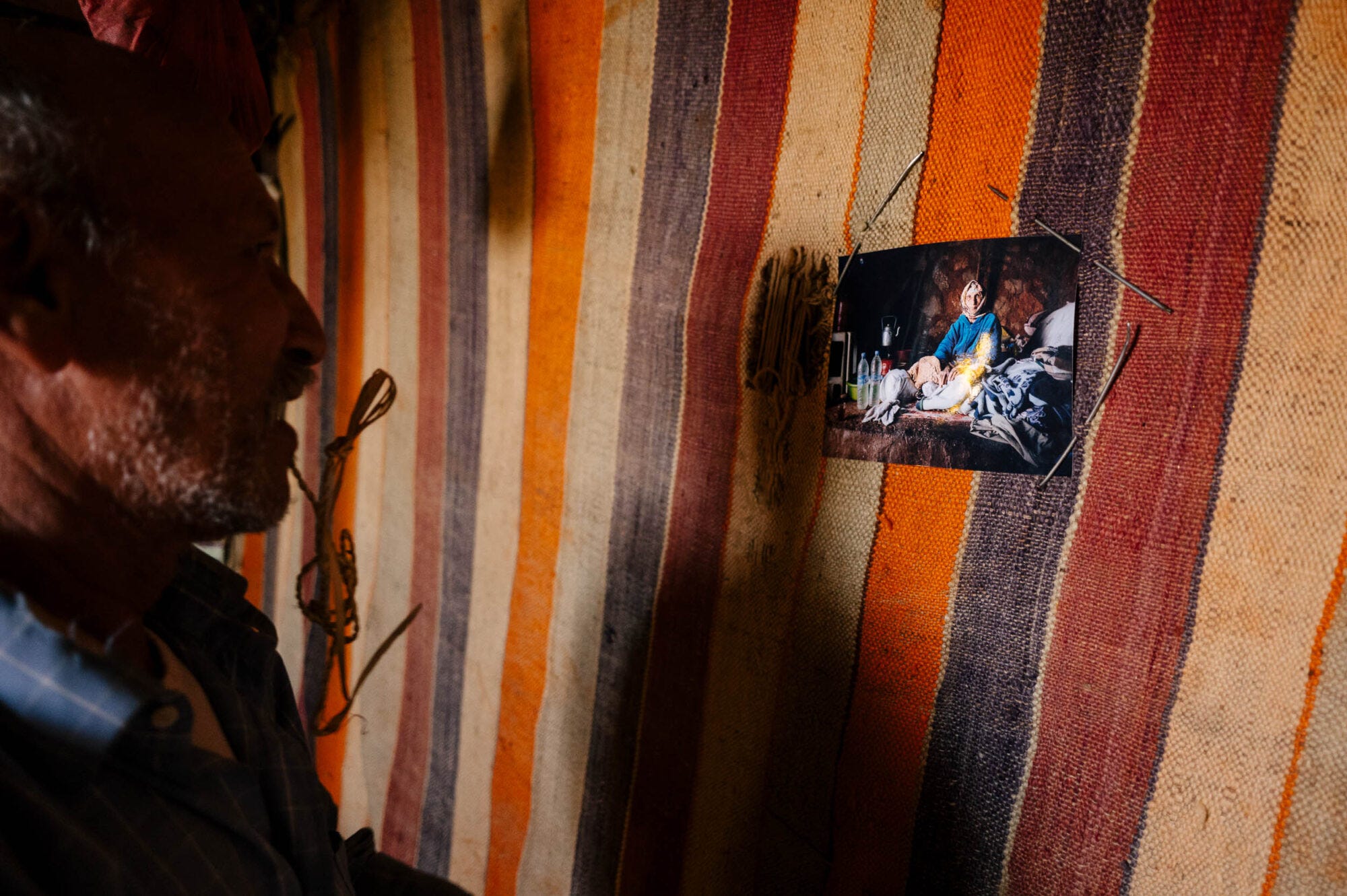
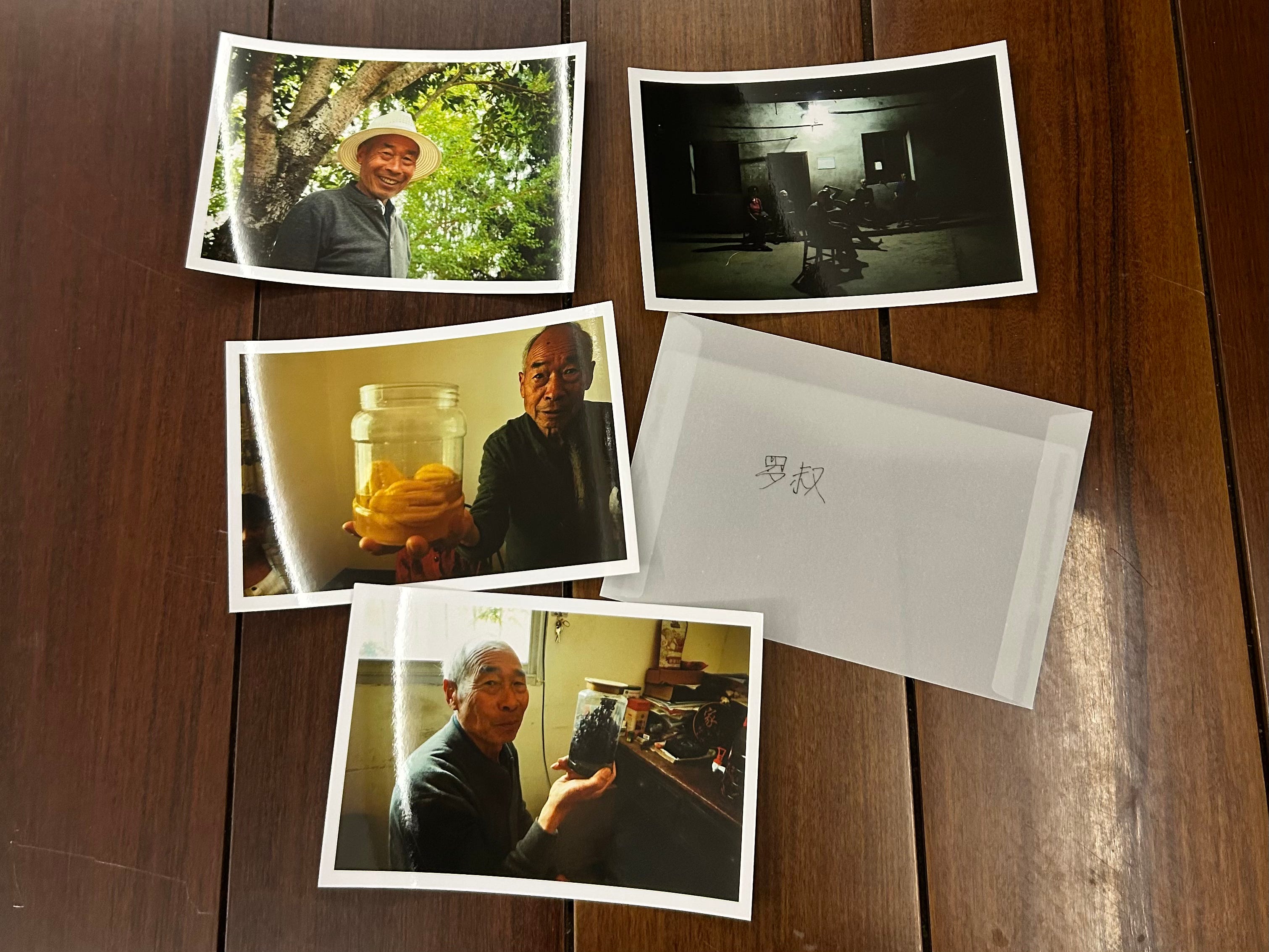
Qitian is one of the few places I have already had the privilege of returning to, and I thought long and hard about what gifts to bring this third time around. Scrolling through photos from previous visits for inspiration, I suddenly remembered an article a friend once sent me, by a guy who had cycled the same loop around Morocco twice. The first time photographing anyone who wanted to be photographed, the second time to deliver the photographs in print.
And then I looked again at the portraits I had taken in Qitian, and thought how strange, if not outright wrong, that the photograph of Brother Zhang and his ingenious D.I.Y. dehydrator, seen and admired by thousands of people around the world, had yet to be seen by the craftsman himself. That the portrait of Brother He holding up an organically grown celery leaf from his plot, inviting me to appreciate its fragrance, now hangs on the wall of my student dorm in Oxford as one half of a Plot Lines postcard, but not in his own home or that of his children.
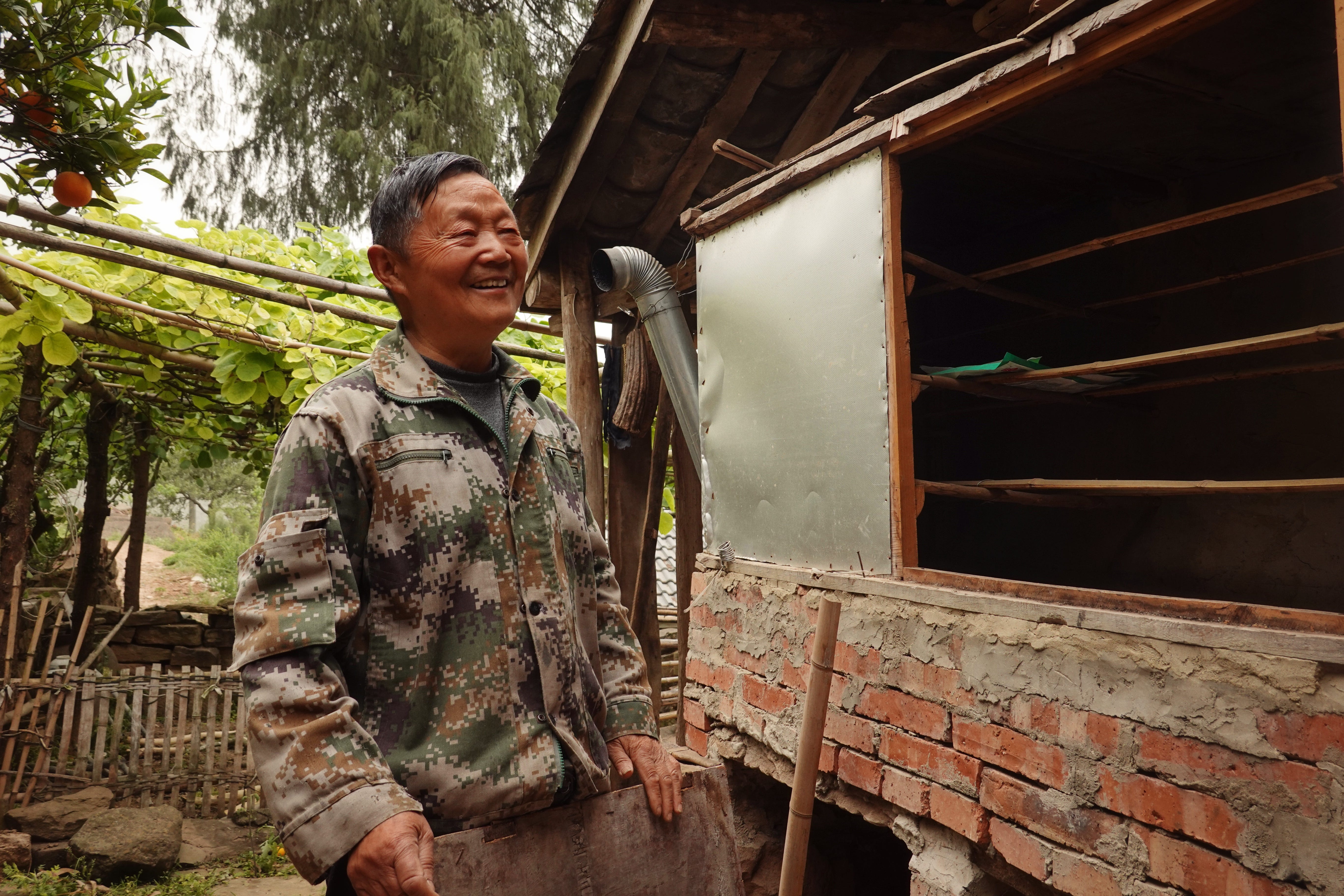
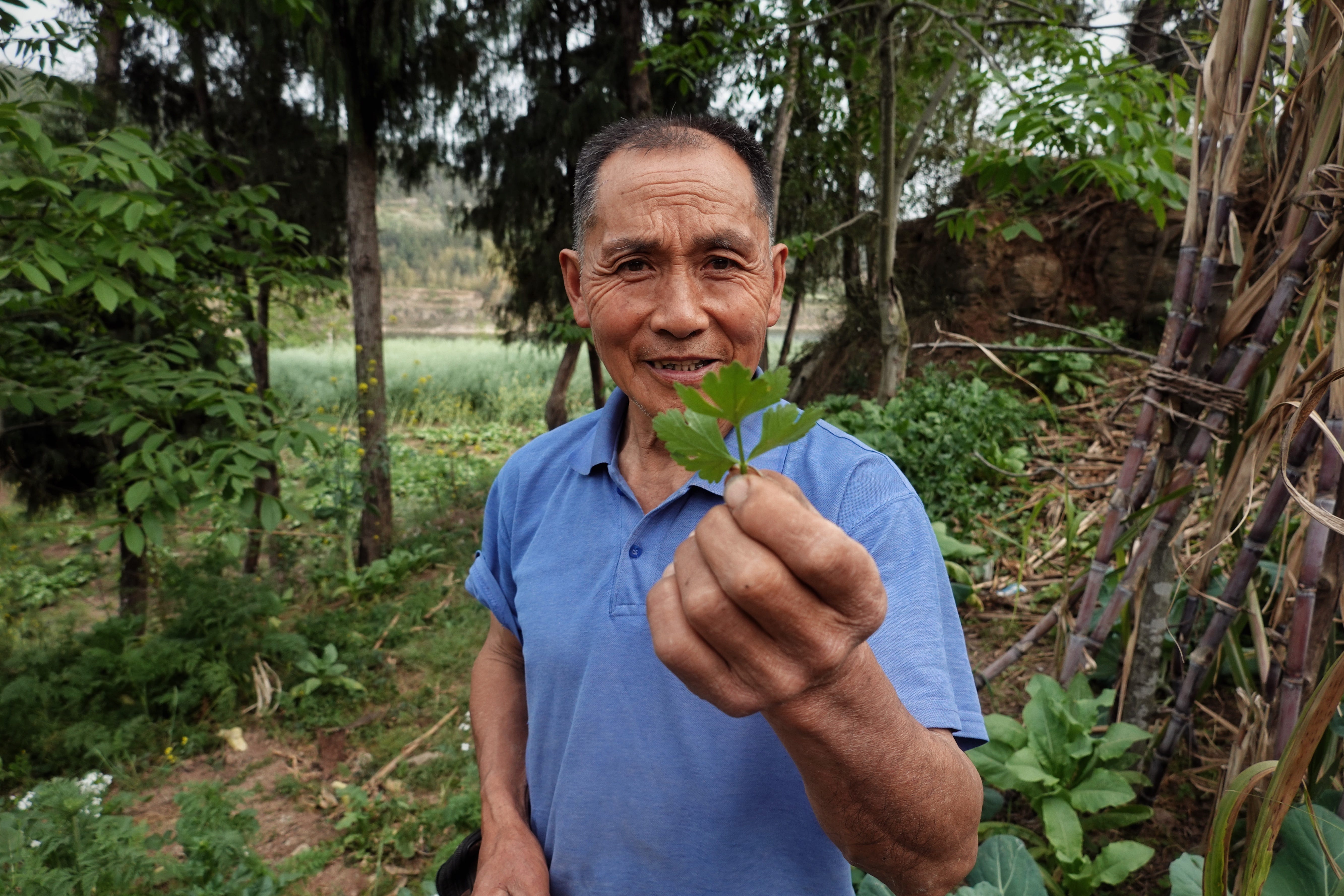
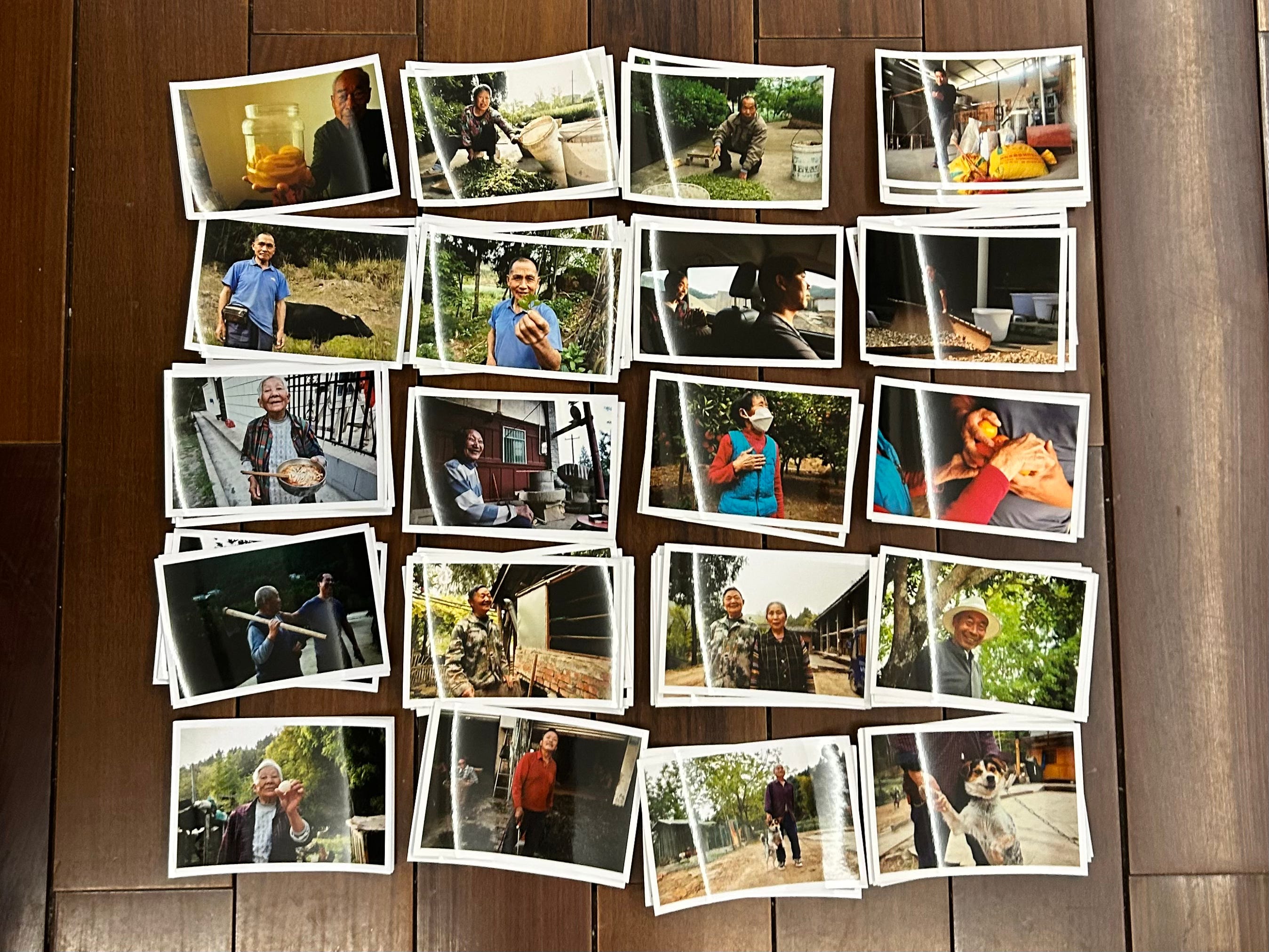
So I printed the photos. But with very low expectations of sentimentality, I should note, even after having read Evan’s accounts of Mohammed’s tears and Fadmah’s kisses.
“I ride back into the mountain, and I see Mohammed. He didn’t expect to see me again, and he stops washing his dishes, towels off his hands, and he gives me a hug. I’m nervous and excited, and I flounder in my framebag and pull out the print of his mother sitting upright in her fragility, staring straight into my camera, this metal box of witness. He takes it gently, and he holds it, and he goes quiet. His deep blue eyes well up with tears, both crying and smiling while holding this moment. And I bring another photo to Fadmah, the other one, the one of her and her son holding each other, and her small, fragile body lets out a piercing shriek, and she kisses my hands, and she kisses the photo, and she kisses my hands again.”
Excerpt from ‘The Police State Will Kill Travel: Lap One Around Morocco’ by Evan Christenson, the first half of a two-part tale for BIKEPACKING.com. Second half here.
Someone once remarked that the elderly farmers in my photos always seem to be laughing. As I had explained to them then, in most cases, that’s because they had found it so funny, almost unbelievable, that I had wanted to take their photo at all.
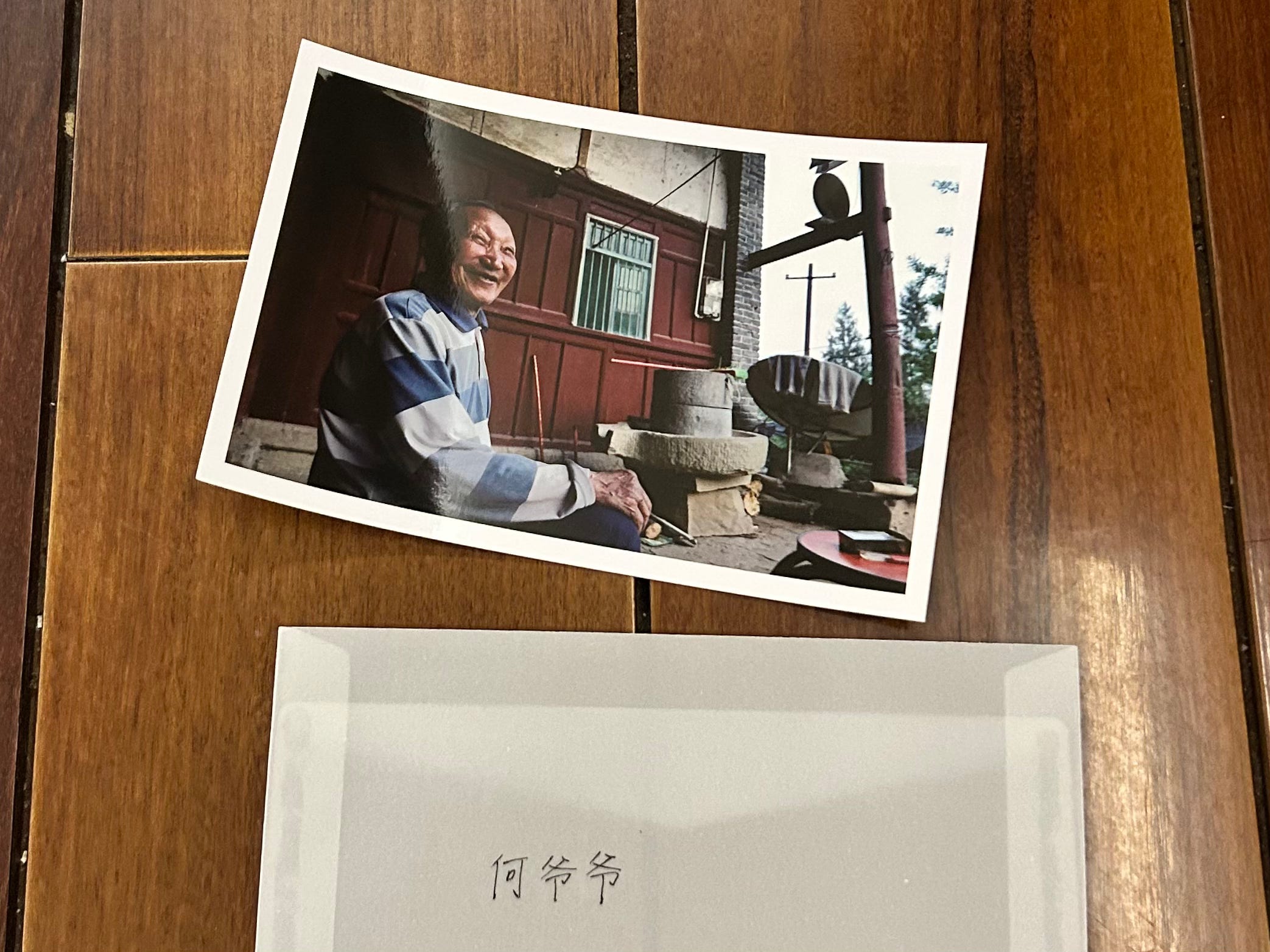
Sadly, I often encounter this kind of self-mockery while doing research in rural China. And it’s sad because I know that, in rural China, it’s not quite just banter or modesty. It’s also the internalisation of a much deeper, political, social and cultural sense of insignificance, conditioned by decades of official and popular discourse framing peasants as luohou (落后) “backwards”, of low suzhi (素质) “quality”, low wenhua (文化) “culture,” and in need of development and modernisation.
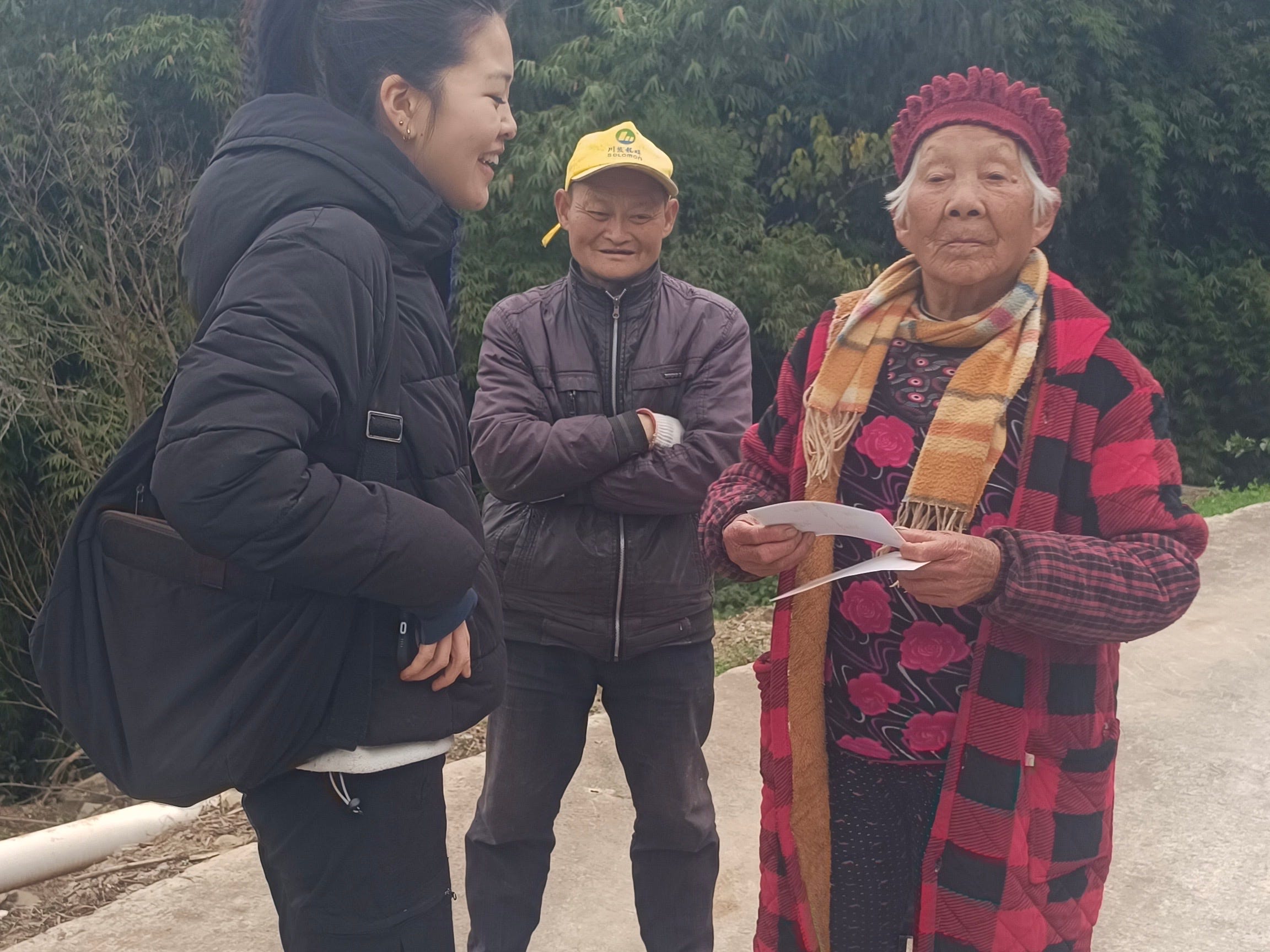
“Wow, you came this far just to research us here [哇,你跑这么远就为了调研我们这里] !?,” a farmer I approached during recent fieldwork had exclaimed in disbelief, upon learning that my flight from the UK to China was a whole eleven hours. I expected no less confusion bringing the photos back.
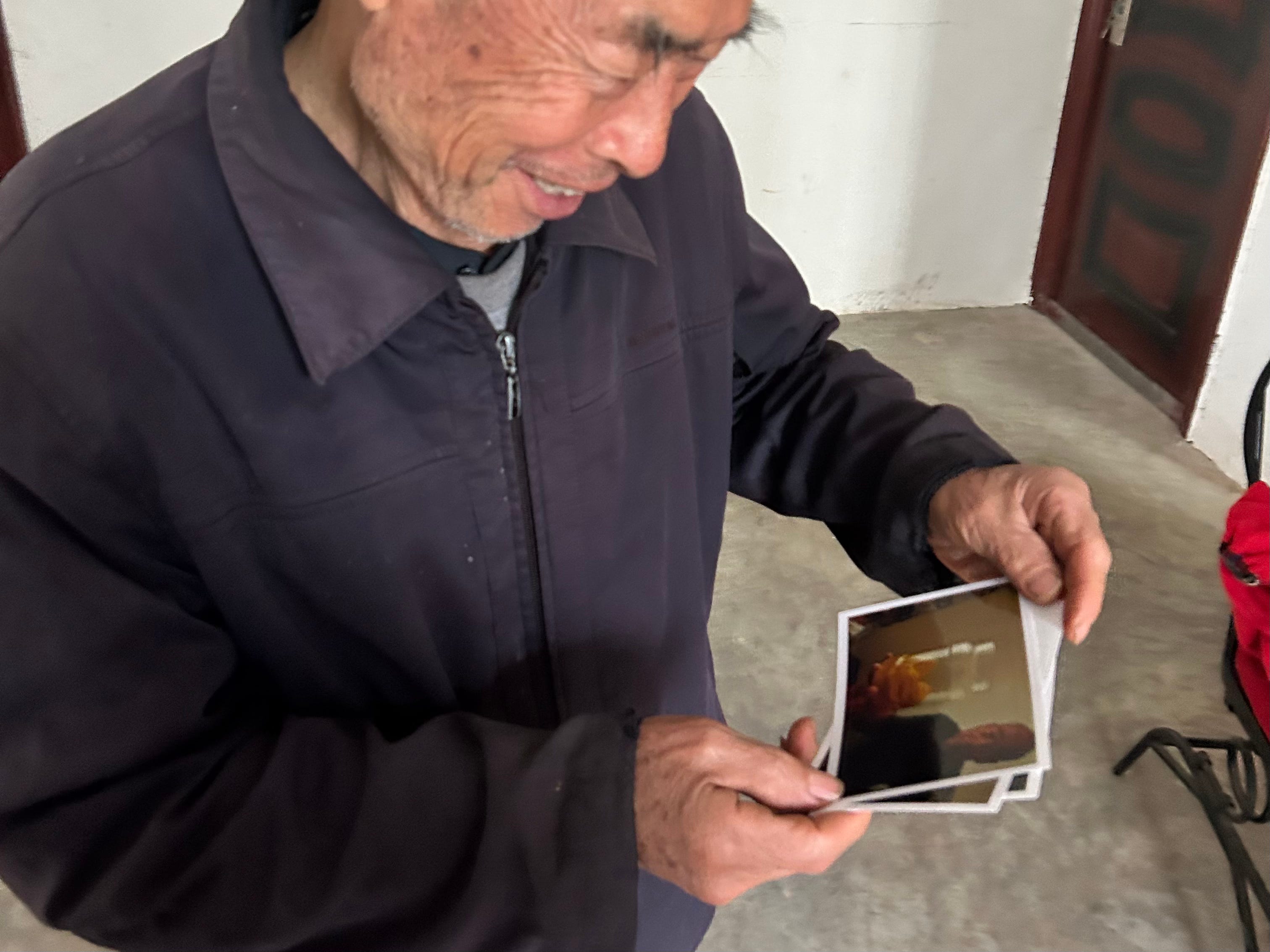
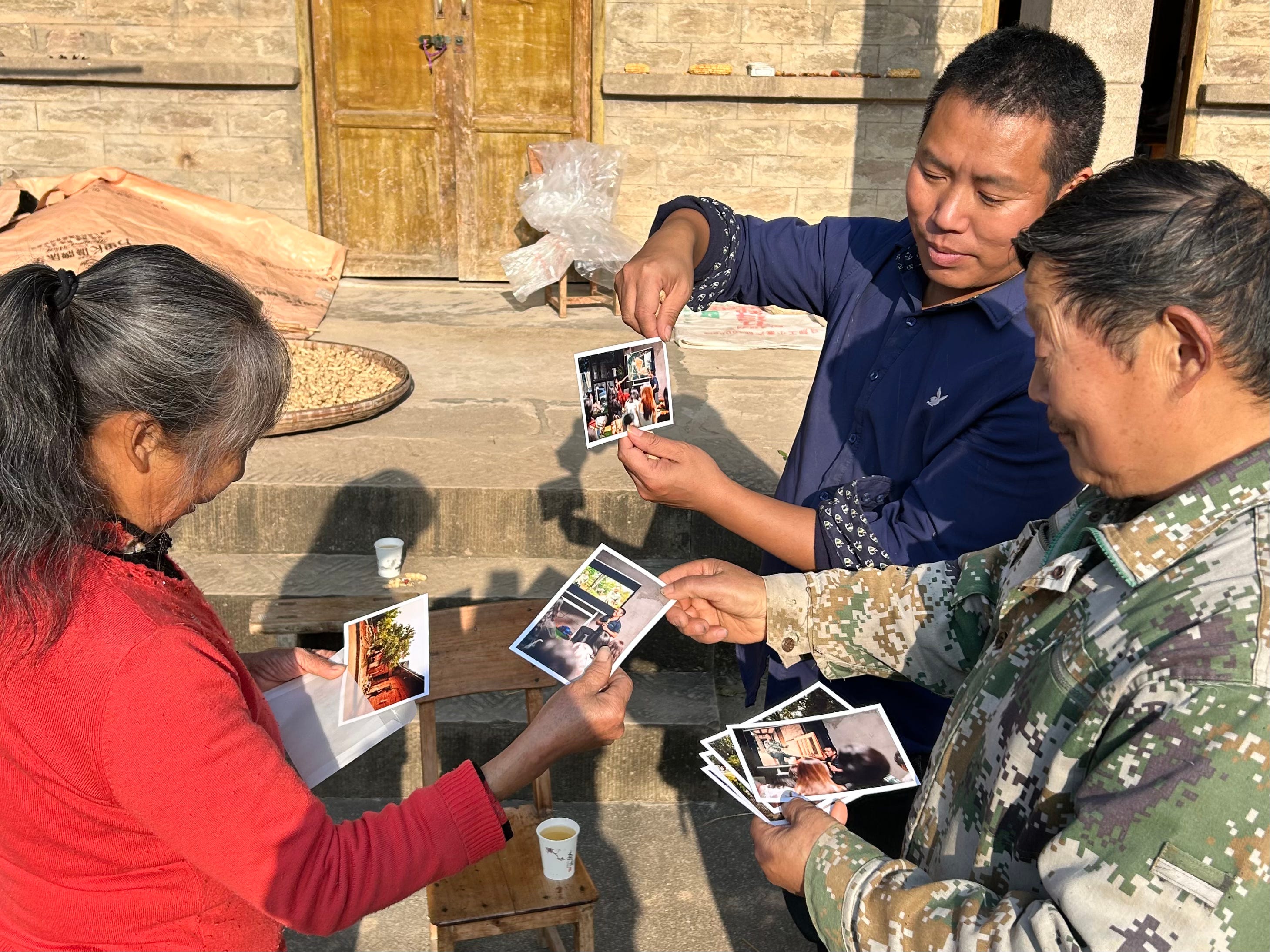
But it was very wholesome. Not tears and kisses — but smiles, and still chuckles, only this time with less of the usual deflective edge.
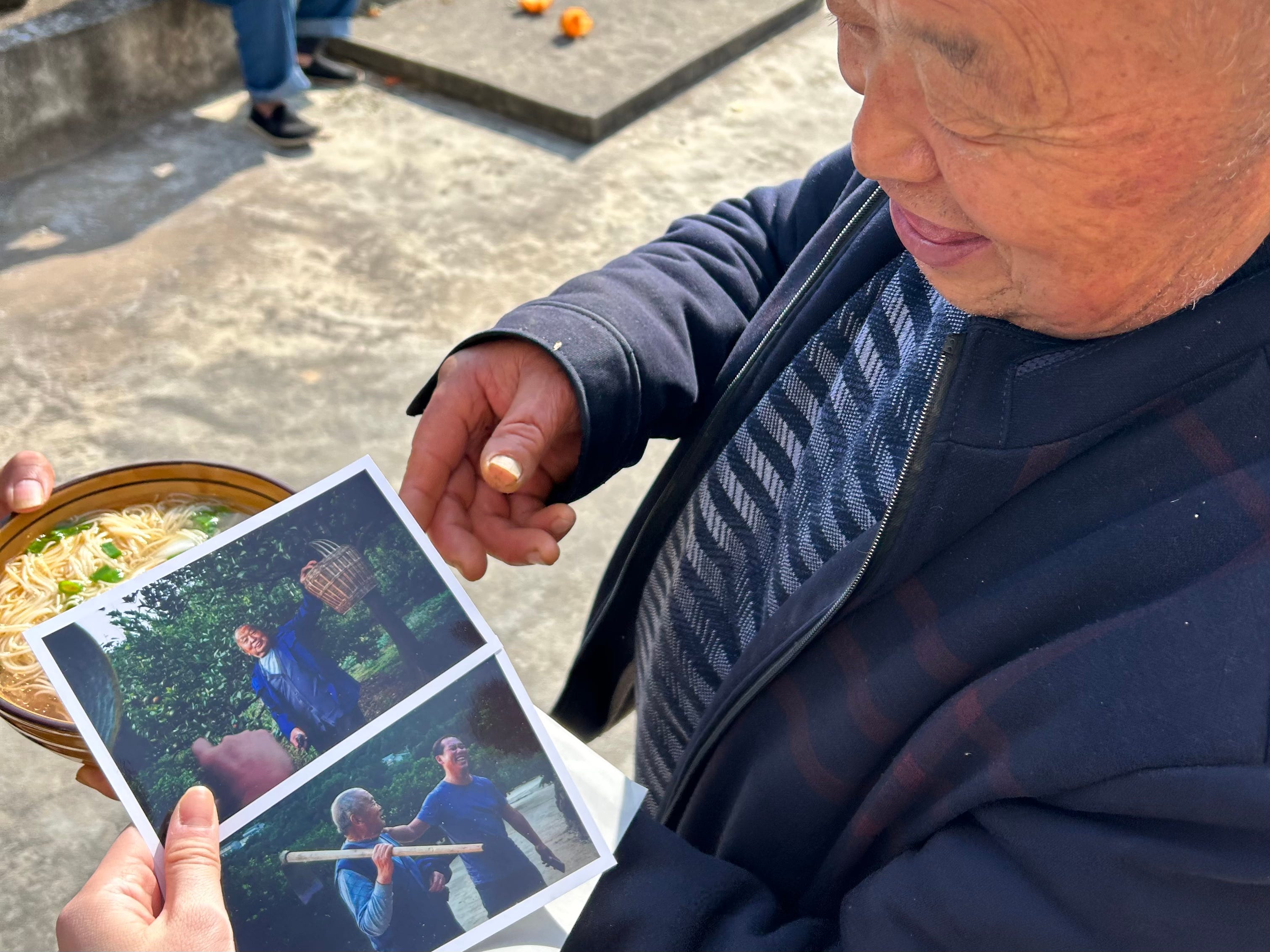
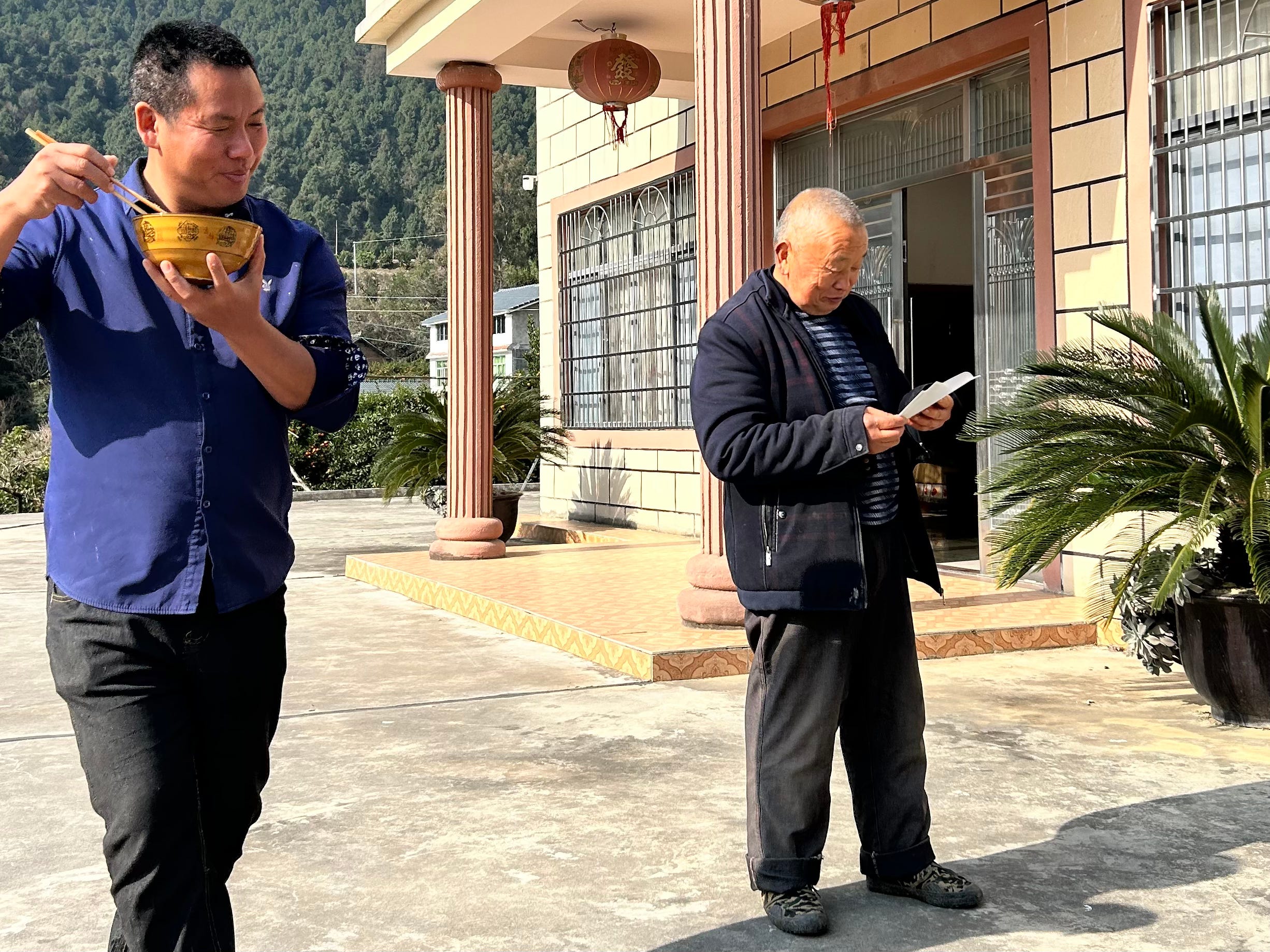
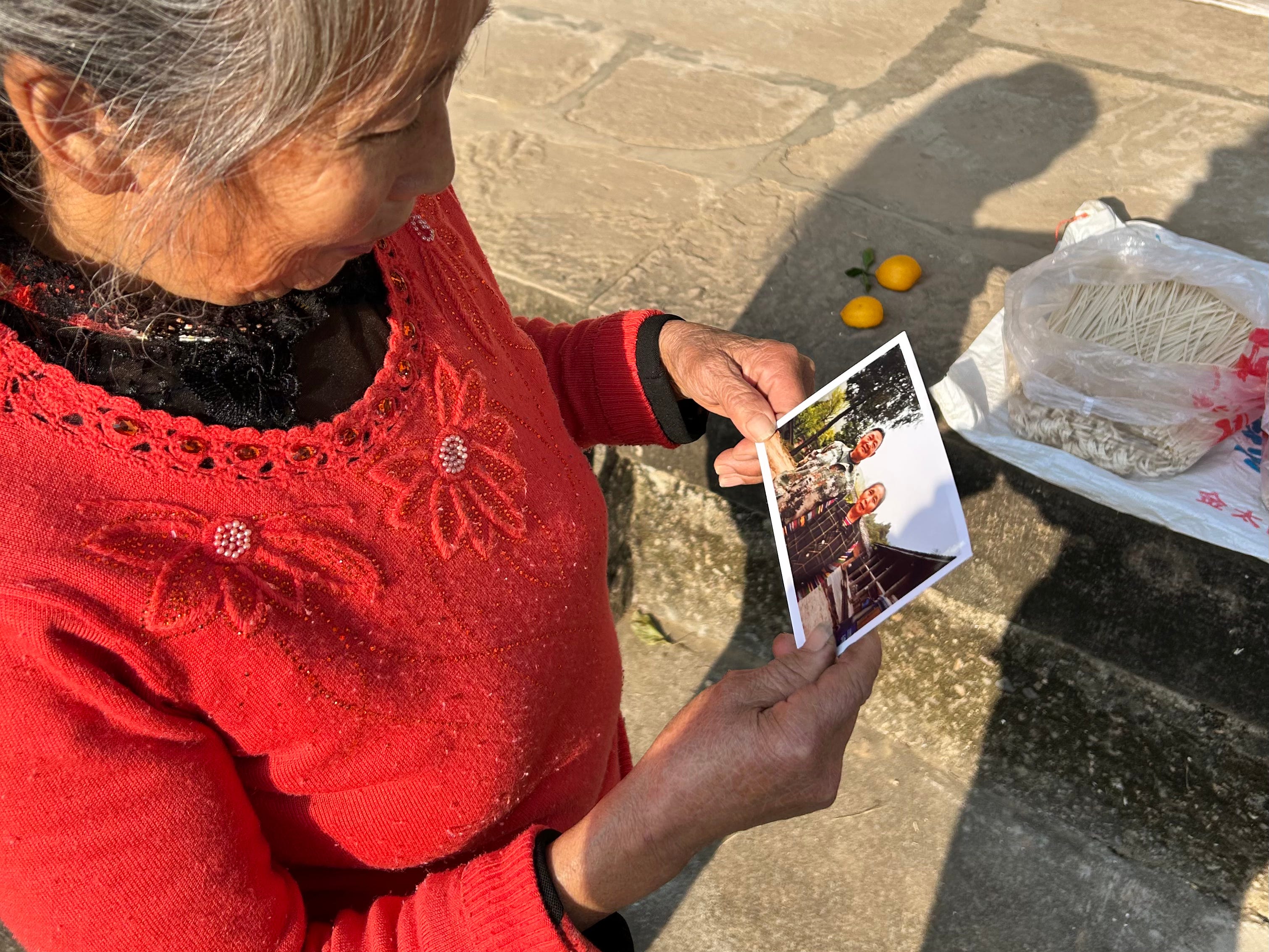
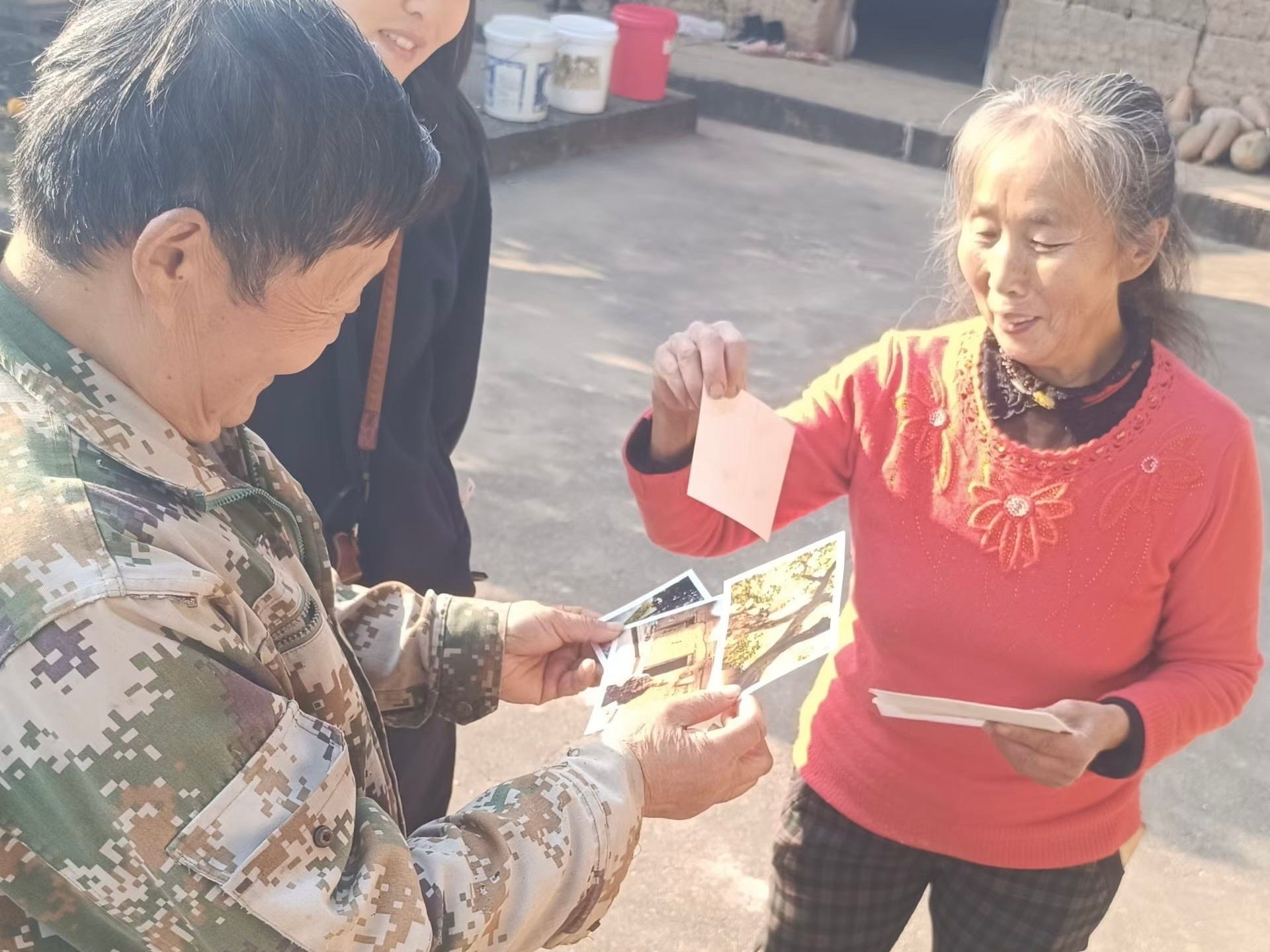
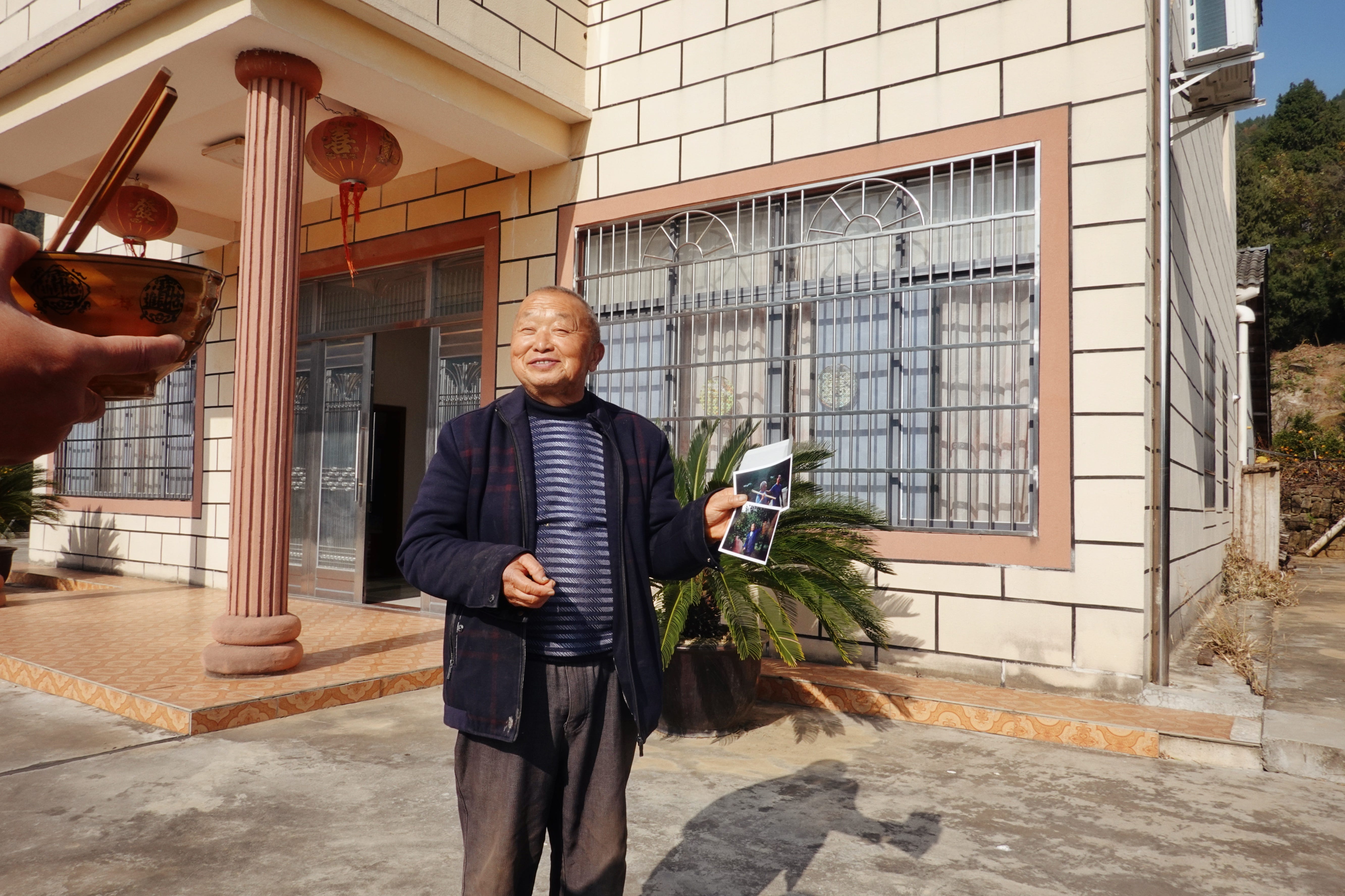
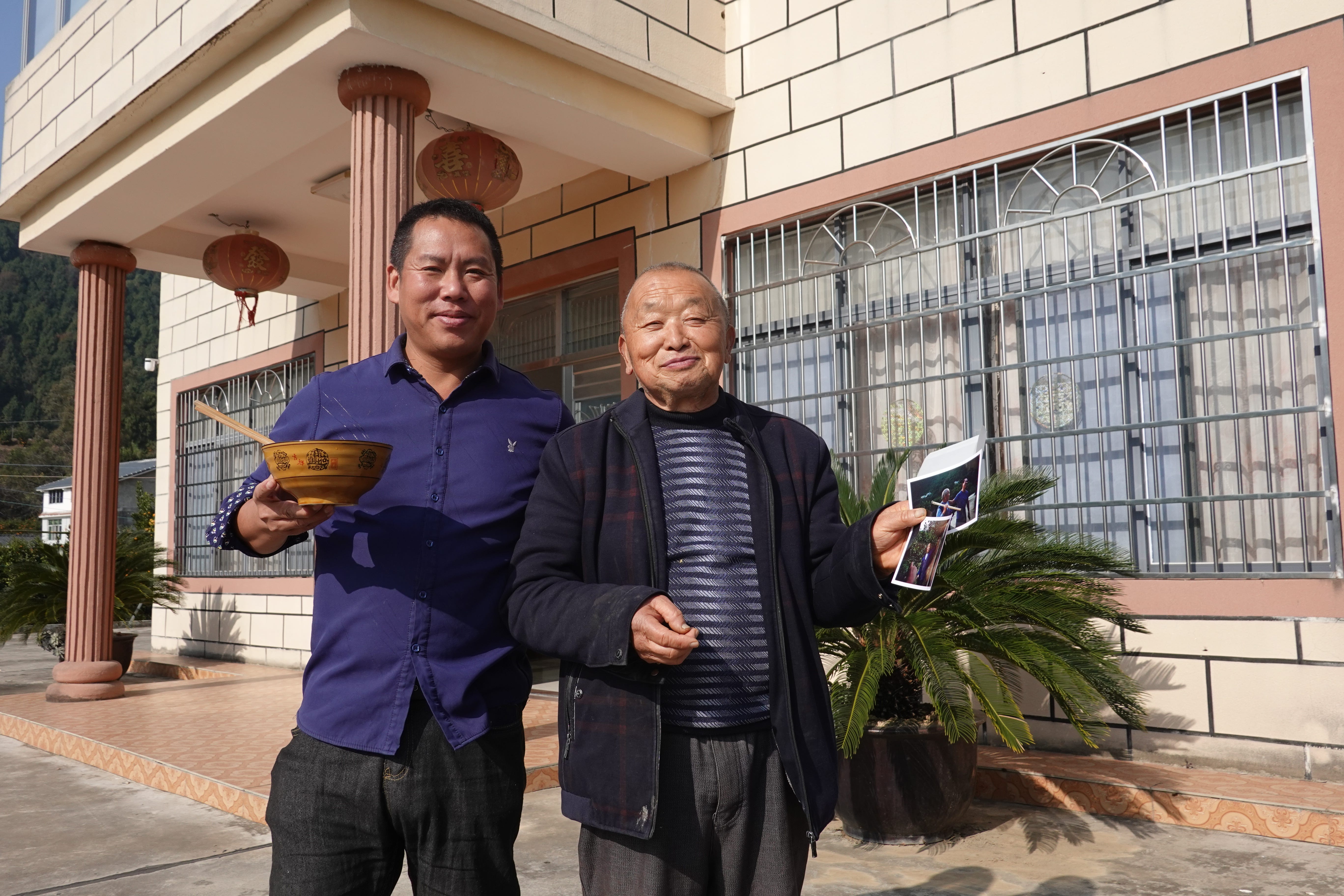
It struck me that elderlies in China, even in rural areas, live such digital lives these days that it must have been years since any of them had a photograph printed out. I noticed that they lingered especially long on photos of themselves together with their loved ones – Sister Yang and Brother Zhang on the photo of them together, and the other Brother Zhang on the one I’d taken of him and Mantou – my local host and now good friend in Qitian, who started the cooperative that these elderly farmers are members of.
Even Brother He lingered a little on his portrait with Water Buffalo (though I wouldn’t necessarily assume that was out of sentimentality – when I took the photo, I had asked if he felt any emotional bond with his farming companion, or if it had a name, and he’d just looked at me, confused, and replied: “It’s just called ‘water buffalo’ [他就叫水牛]”).
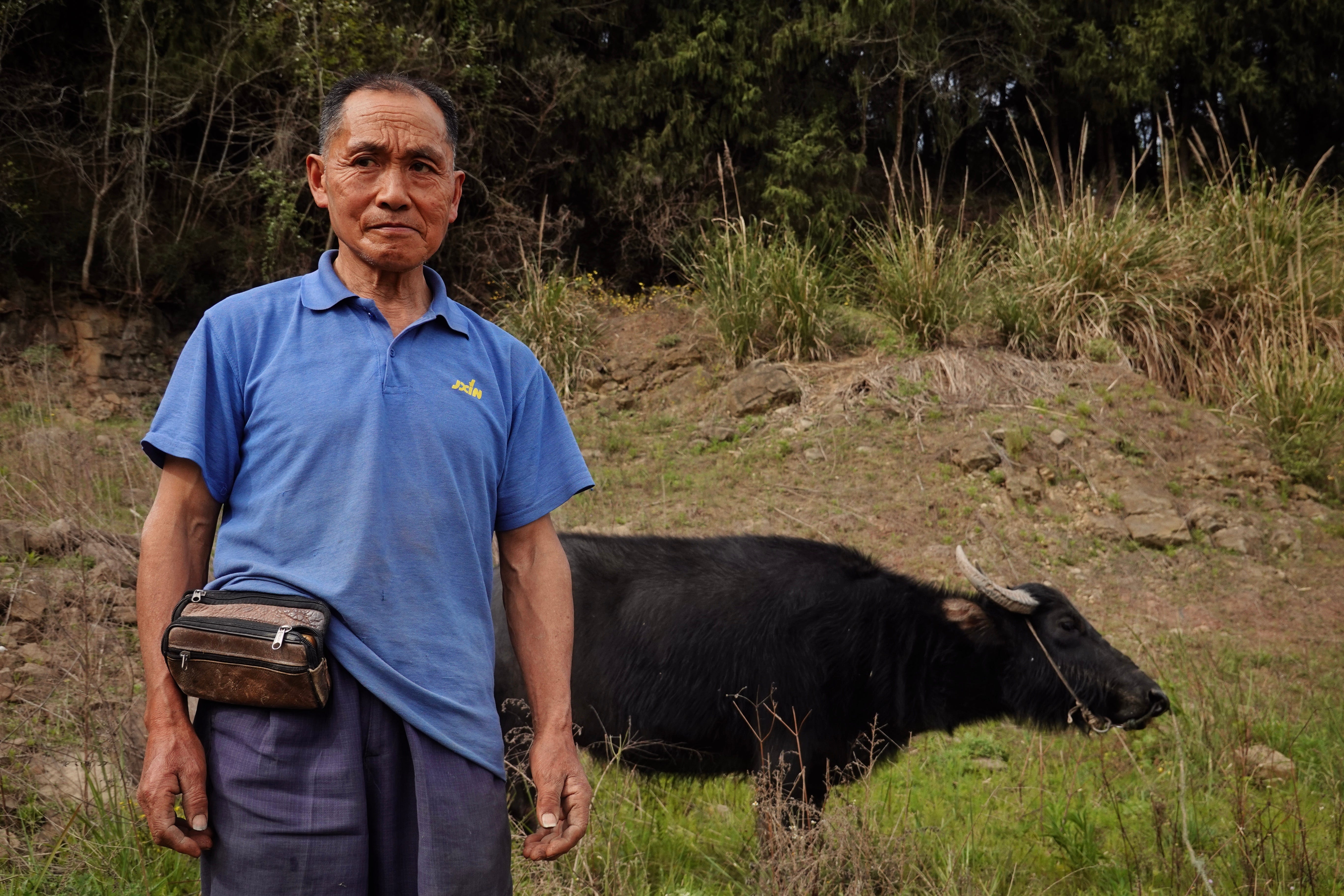
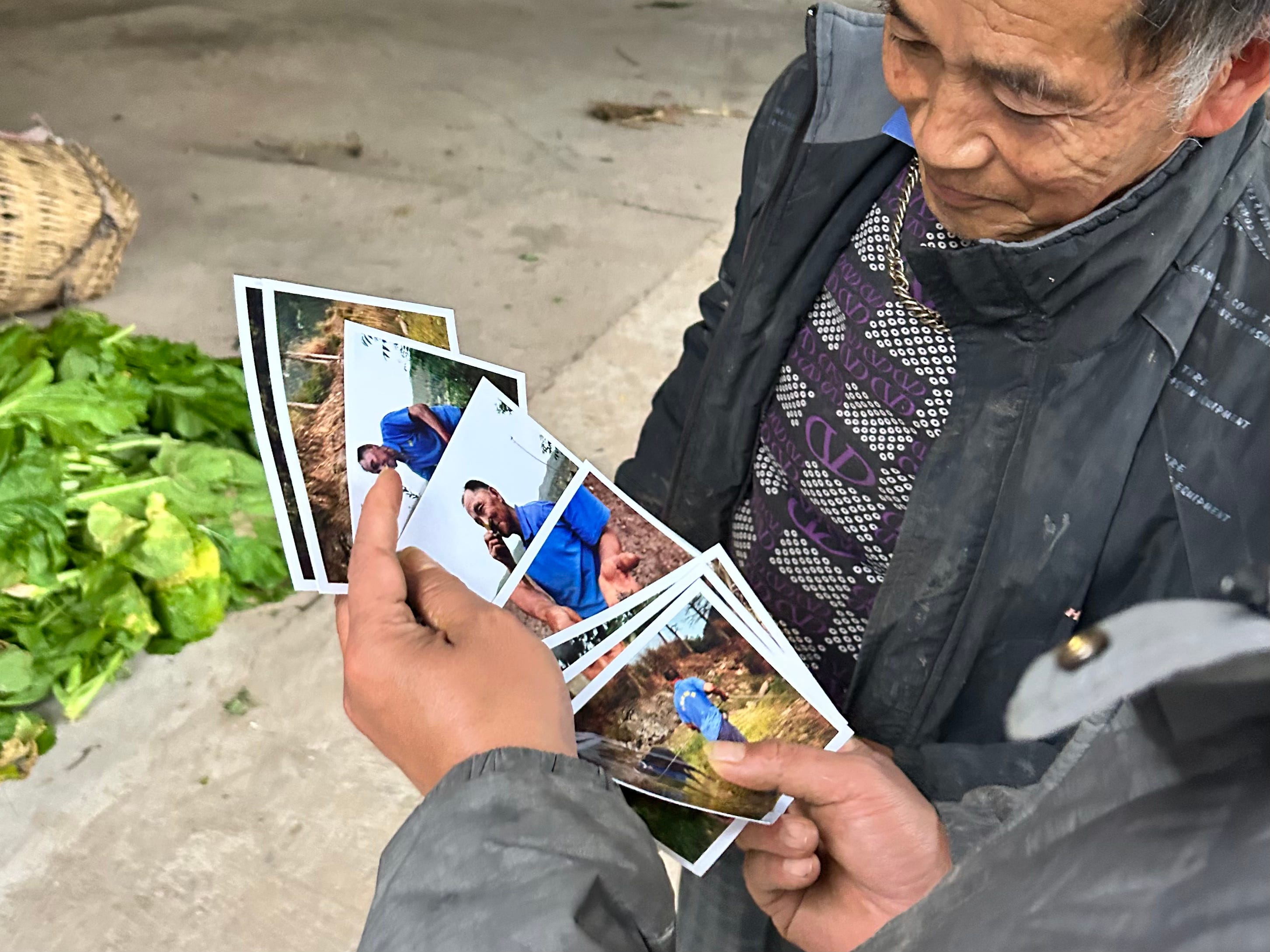
I really hope that, one year, I can visit during the Spring Festival and take full family portraits for them with the children and grandchildren they so often tell me about.
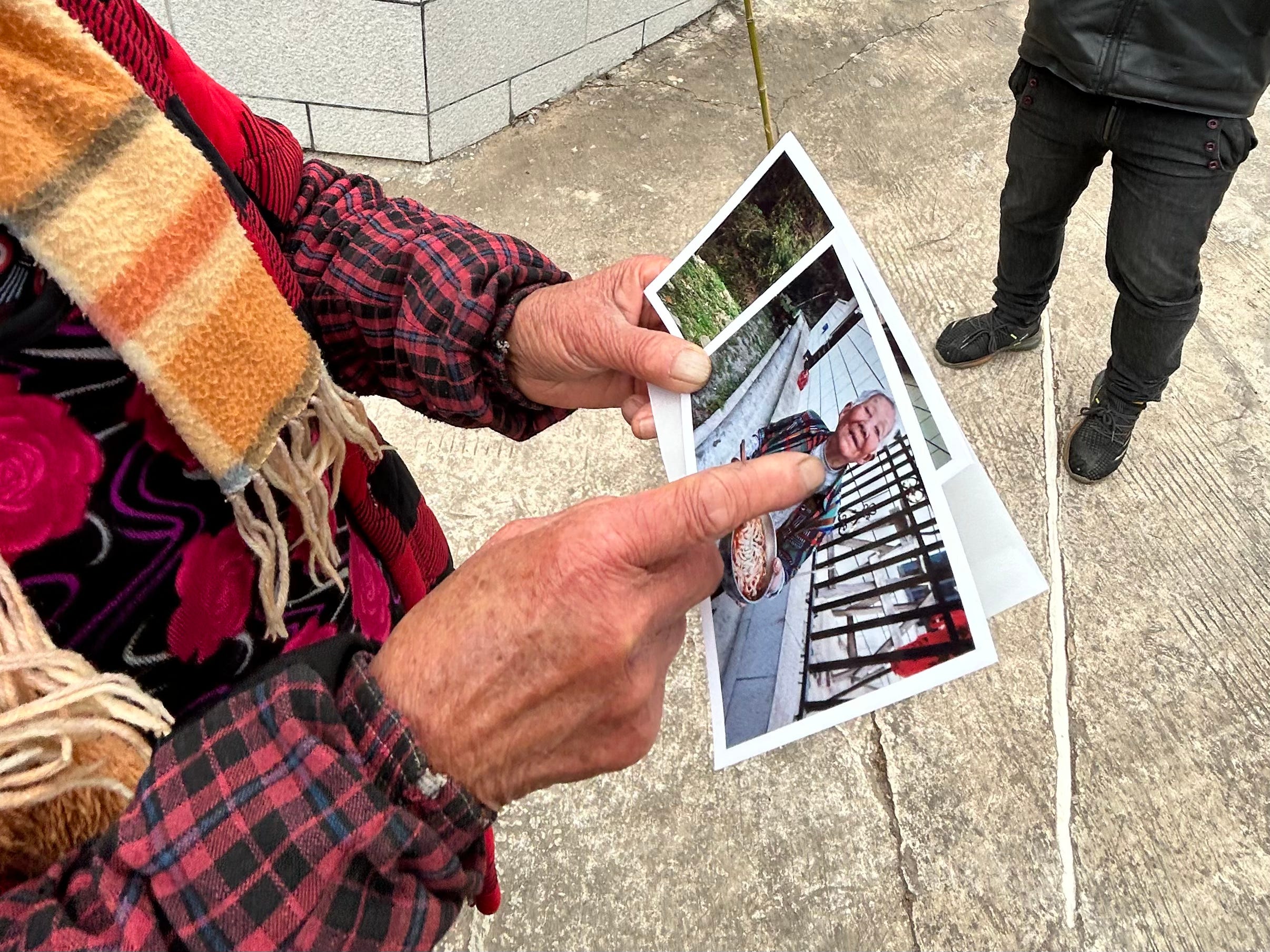
Grandma Lai, below, has four sons and four daughters. Turning eighty-four this year, she is the village’s oldest yet also by far most intensely sociable resident, whom I’d often find outside chatting and gossiping during my stay in April. One evening, as Mantou and I passed by her house around dinner time, she had spotted us and come out to ask if we had eaten. “吃了饭没有?” remains the default greeting of elderly villagers in much of rural China – a residual expression of care from the days of food shortage. We’d replied yes, as you typically do, but Grandma Lai didn’t seem to believe us and tried to feed us noodles through her gate anyway.
Impressed both with the genuineness of her concern for our nourishment and with her agility, I had quickly slipped my camera out to capture the moment:
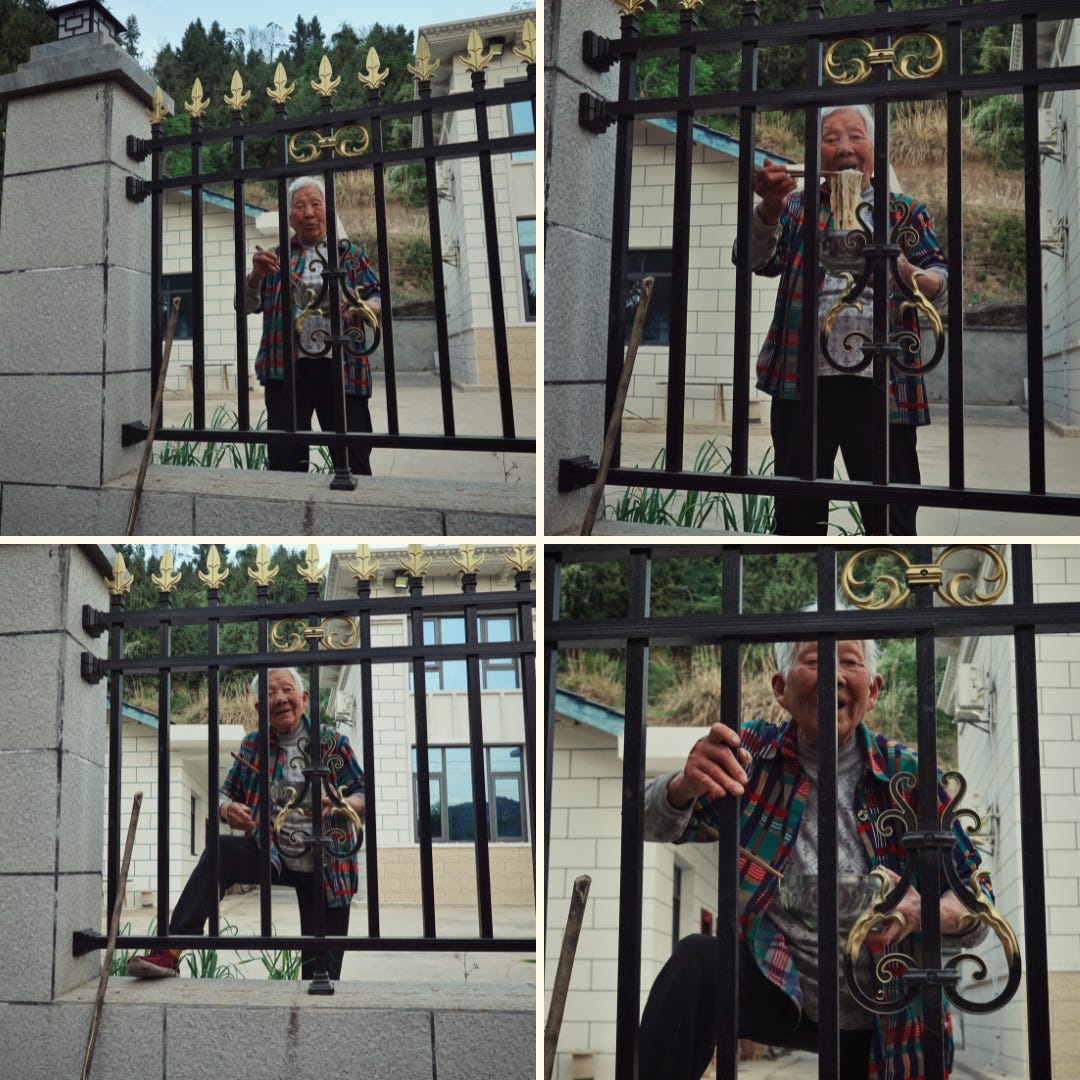
Receiving her photographs now, Grandma Lai’s first reaction had been to start picking apart her looks: “But I wasn’t readyyy!”, “My mouth is open!”, “I’m holding noodles!”. Later, though, as we sat quietly next to each other on her couch watching some Mao-era period drama on the TV, I heard her giggling, and turn over to see her having slid the photos out of their envelope again.
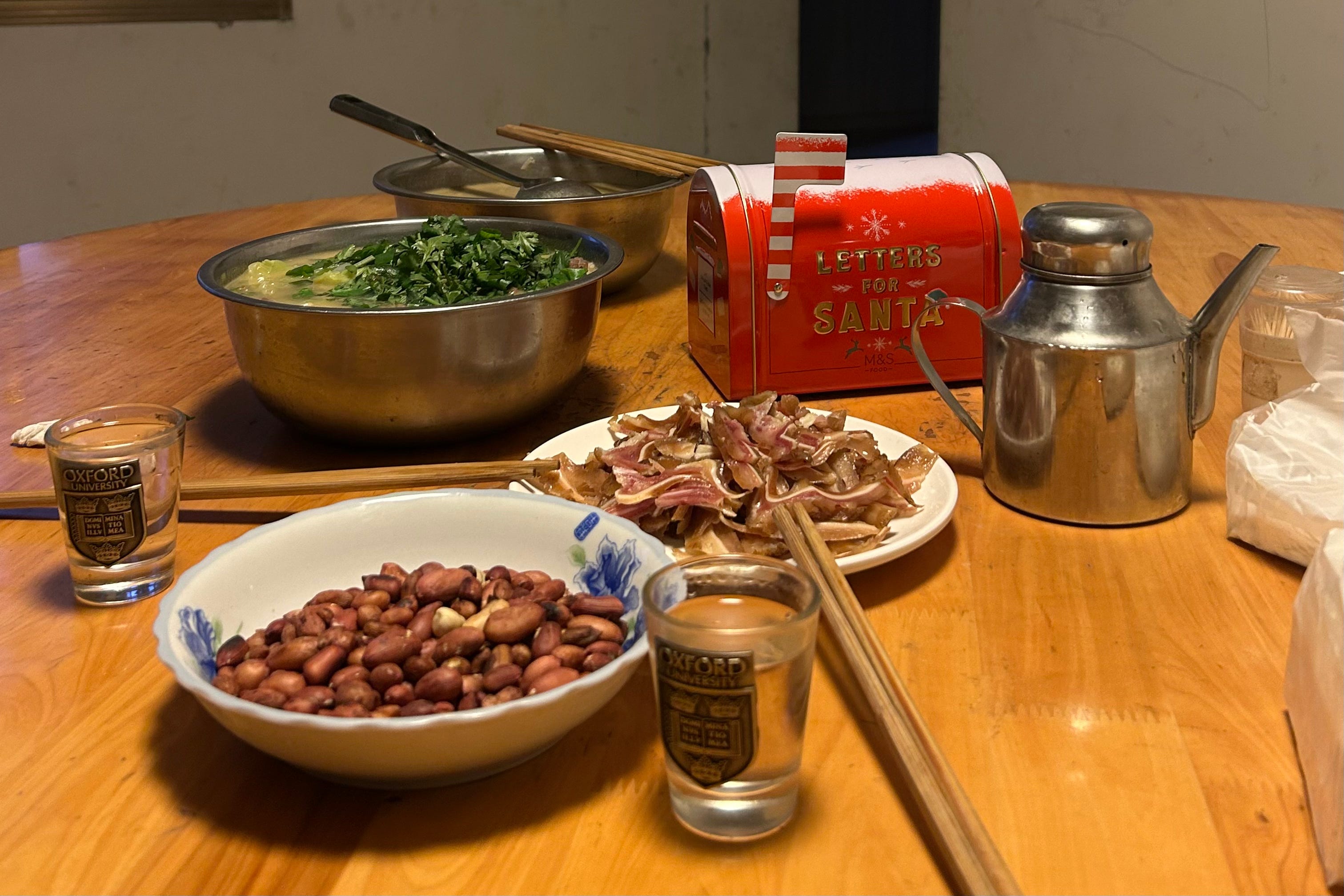
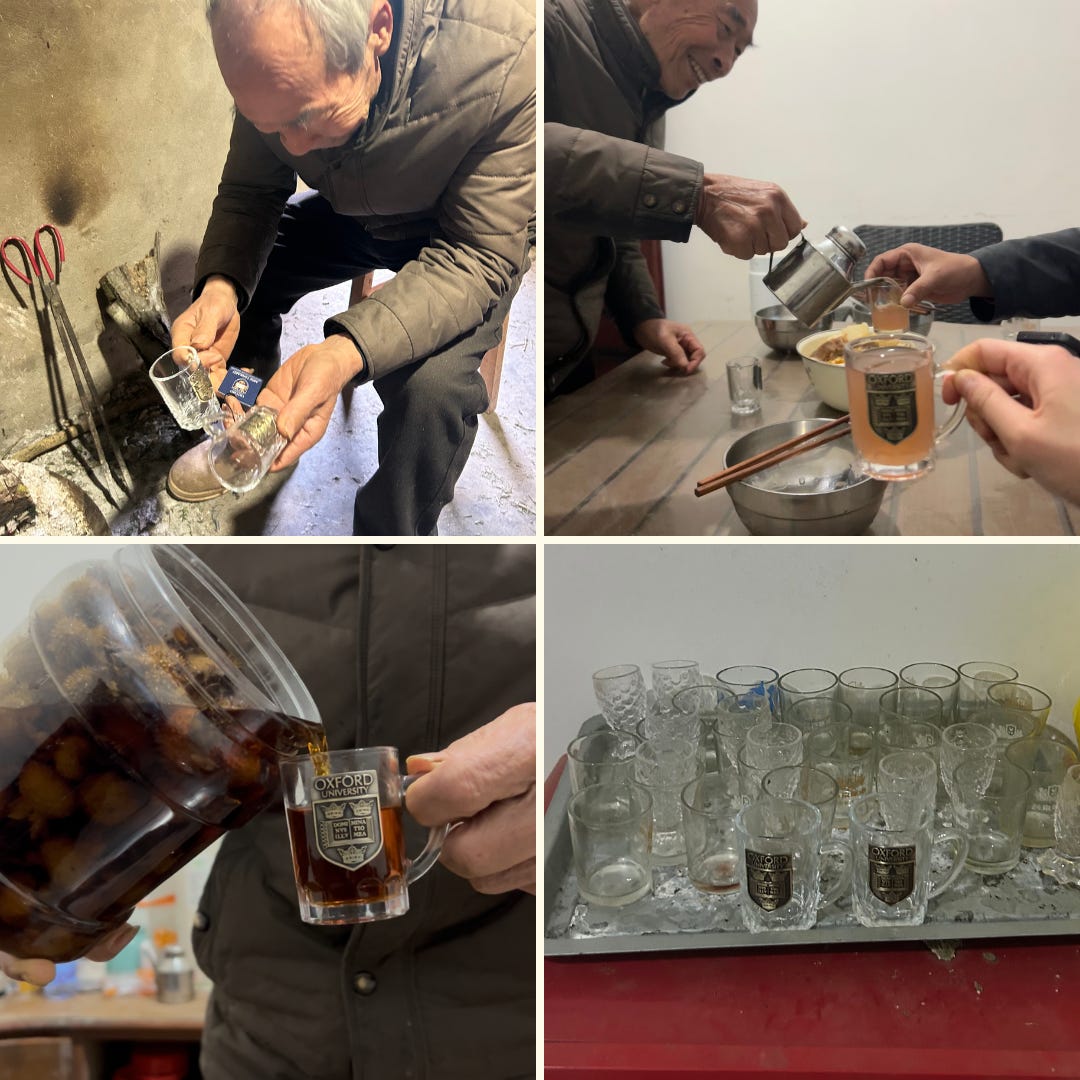
Though I savoured truly every second of the interactions prompted by this little project, I resisted reading much into them until Mantou brought it up one evening. Christmas Eve, actually, as we, five glasses of baijiu into dinner, slipped into a discussion about research ethics.
This was a week into my fieldwork, and the transition had once again been a difficult one. Returning now with quite a different positionality, perspective and set of questions, I came to realise that this was not so much a “return” at all, but entirely new terrain to navigate.
Since my previous visits had been spent mainly with elderly farmers like Grandma Lai and the Brother Zhangs, I’d specifically set out this time to speak with working-age people — a rarity, of course, in a major migrant-sending region like Qitian. Most of my interlocutors thus far had been former migrant workers in their forties and fifties who told me they’d only returned because injuries, illnesses, care obligations, or job market conditions had left them with little choice. Now trying to make enough money locally to support both ageing parents and young children—the familiar double-bind of 上有老,下有小, “old above and young below”—many were under palpable strain. This made for a very different type of conversation to the comparatively light small talk I was used to having with the grandpas and grandmas.
In one particularly tough interview, a woman had recalled her years working long factory shifts while single-handedly raising her then just one year old child, after finally having mustered the courage to divorce her ex-husband. She then spent most of her working-years back-and-forth between factory work in distant cities and childcare at home, until her current husband developed a chronic health condition recently, which will now keep them both in the village for the foreseeable future. She tells me she worries about money, especially since they’ve leased out their land, but above all, loses sleep over her still unmarried thirty-something year old son.
I noticed her Sichuanese accent grow thicker the more personal it got, but I didn’t want to interrupt her, so I did my best to just decipher what I could, knowing I’d be able to return to the audio recording later. But this approach fell short when, at one point, she looks up at me and pauses, as if searching my face for a particular response, and I am suddenly overtaken by a sharp sense of doubt. Firstly over whether I should have said something after all, but also about whether I, unable to even fully understand her struggles, let alone respond to them, was really the right person to be doing this research at all. Doubt about my ability to ever truly understand these lives and experiences that I so desperately wanted to understand, given just how different my background, and how distant my current life and worries in Oxford, felt from theirs. I confided in Mantou that sitting there then, notebook in hand, I had felt acutely the limits of empathy.
“I don’t know if they could ever feel like I really see them,” I said. “Or understand them.”
“I believe you’ll get there. Actually, just by bringing back those photos this time…” Mantou paused, blinking slowly to collect his thoughts. “You’ve already done so. I’ve been with these gramps and grannies for eight years now. I’ve done social research too, and studied law. Reading people’s facial expressions is my job! Trust me, I could see it. Through this gesture alone, you’ve given them something that not even their sons and daughters, or grandsons and granddaughters, could give them.”
The bigger positionality questions here will likely linger with me for a long time, but Mantou was right about the photos. Like the best kind of gift, they were personalised to my recipients, something of the kind that only I could give to them. More than just photographs, they were a glimpse of what a two-generations-younger student at an elite university halfway across the world had seen in their lives and their experiences, that she’d felt was worth capturing and sharing with the world.
This is a reminder to myself as much as to all of you who engage with the stories of others, whether as photographers, writers, or researchers, to be more ambitious and imaginative about closing this loop. To remember that, given a certain positionality, taking an elderly Chinese farmer’s portrait may be flattering at best, extractive at worst. But bringing it back can be transformative.
As Evan writes:
“Travel is all about meeting people, trusting them, and changing our perspectives. But maybe it can be about changing someone else’s, too.”
As I write this, the other thing that strikes me is how blessed I am to have friends who change my perspective, through simple acts like sending me pieces like Evan’s to read.
Mantou often forwards rural development-related articles to me on WeChat, which I, admittedly, don’t always get around to reading. But while I was still in Qitian last month, he sent me one titled “志在介入:社会研究的双循环模式,” which translates into “Aiming for Intervention: A Dual-Circulation Model for Social Research.” I don’t know if I, subconsciously maybe, had already made the obscure connection then—between “dual-circulation” and Evan’s cycling journey—but something compelled me to open it.
It turned out to be a speech delivered at a symposium held in Beijing a month earlier, on November 22, to commemorate Professor Fei Xiaotong. If you’re subscribed to a Substack about rural China, I suspect Professor Fei needs little introduction. The author of the seminal From the Soil: The Foundations of Chinese Society, he is widely recognised as one of China’s finest social anthropologists. The speaker—whom some of you may also be familiar with—was Xiang Biao, a contemporary Chinese anthropologist, previously at Oxford, now the Director of the Max Planck Institute for Social Anthropology in Halle, Germany. Reading about research methodology has rarely made me feel things, but on this occasion, it did.
My favourite part of the speech is where Xiang compares Fei’s Peasant Life in China《江村经济》 (literal translation: “Jiangcun Economy”) to Edmund Leach’s Political Systems of Highland Burma. Xiang remarks how, in anthropology courses around the world, Political Systems of Highland Burma is almost always a required reading, whereas you would only find Peasant Life in China in specialist Chinese or rural studies syllabi. Yet, if we were to compare which one has had a greater impact in society, on people’s lives, it is undoubtedly the latter.
Allow me to translate Xiang’s explanation for why:
“The reason is very simple: the people of the Burmese highlands do not read Political Systems of Highland Burma, whereas the villagers of Jiangcun do read Jiangcun Economy [Peasant Life in China]. Why does this difference matter?
When the people of Jiangcun read Jiangcun Economy, they come to feel that they themselves are historical agents, and that their various experiments have profound, far-reaching significance. They thus gain a sense of confidence in a political, social, and historical sense. Therefore, even observations in Jiangcun Economy that are extremely simple and intuitive—such as “the rural economy is not only agriculture; it also depends on sideline occupations”—are of course things that Jiangcun villagers already knew. But when they encounter these statements in written form and fully grasp the reasoning behind them, that understanding is transformed into a kind of social force. This is precisely a core Marxist insight: when ideas take hold of the masses, they are transformed into social force. The key question is whether this step—taking hold—can be achieved.”
Excerpt from a speech by Professor Xiang Biao at “Fieldwork and Cultural Awareness—A Symposium in Memory of Mr. Fei Xiaotong,” in Beijing on 22 November 2025, translated from Mandarin using Chat-GPT. Full transcript of the original speech here.
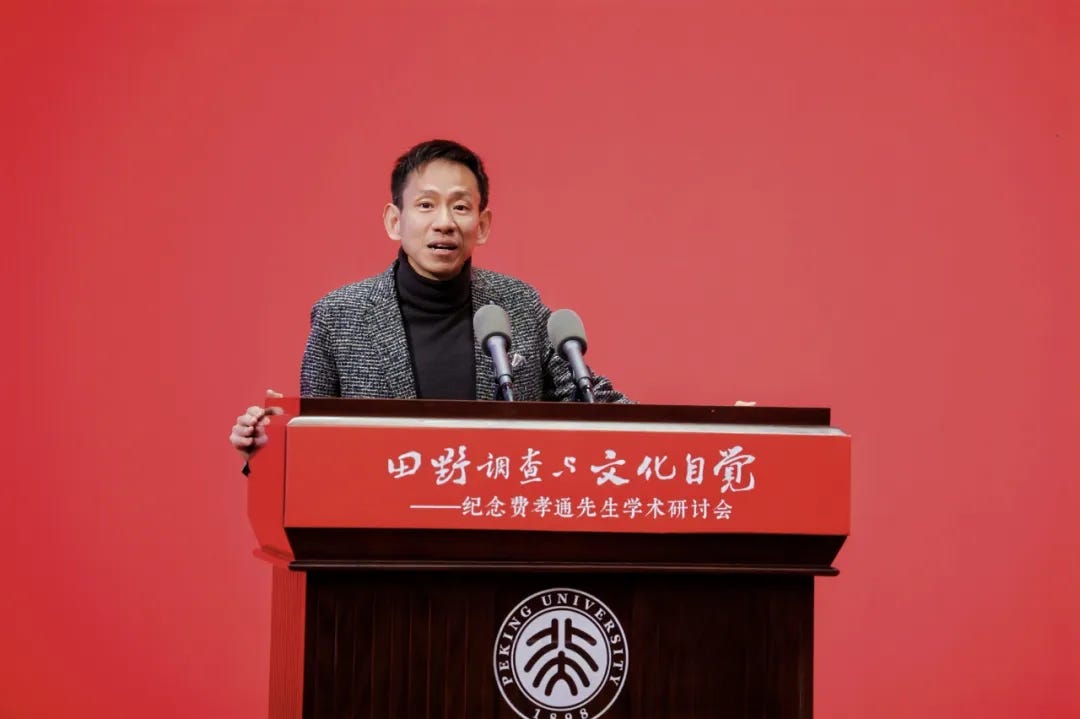
This simple example articulated precisely the methodological unease I’d been grappling with over the past half-year. Because even within academia in China, I find that the social sciences tend to be thought of in a much more practical, applied sense than I’d been conditioned to during my liberal arts undergraduate degree in London. Especially in a field like rural and agricultural issues that is closely tied to current government priorities, the primary if not sole purpose of social research seems to be informing social policies and development projects.
The longer I spent in this broader intellectual environment, and also deeper I immersed myself in the practical, day-to-day concerns of the communities I studied, the harder did it feel to justify spending people’s time, or even my own, on mere “storytelling”. Looking back, this was probably part of the reason that this project got increasingly hands-on – less time spent writing lengthy Substack posts like these, more time selling Inner Mongolian mutton on Instagram. Coming to Oxford allowed me to step back a little and remember that value and impact can take many forms; that, like many students and scholars here, I do still believe there is intrinsic value just in documenting and understanding human experience alone, especially those that are otherwise poorly documented or understood.
But that said, I’ve also grown increasingly aware of the risk of erring too far in the other extreme. Too wrapped up in disciplinary debates and rigid research ethics frameworks, I find that this environment can have a way of dulling our ambition and sense of responsibility, as researchers in the social world, to do anything more for it other than simply observe and document. This being my first time properly delving into Chinese studies literature, it’s been incredibly exciting to discover the depth of understanding that scholars, ethnographers especially, have been able to achieve through their years, sometimes decades, of sustained observation in particular communities. But much more rarely than I had expected, or hoped, have I encountered more ambitious or imaginative attempts to then carry that deep understanding back into conversation with those communities – to reciprocate intellectually, in the way that Fei was able to do for the villagers of Jiangcun. Or “aim for intervention,” as Xiang puts it.
Of course, “intervention” in academic research, especially anthropology, is a line we need to tread very carefully. But Xiang’s speech helped me see that “intervention” does not need to be grand, didactic or material to be substantive in the “political, social, and historical sense” he describes. That it can start with something as simple as making people feel seen.
“It’s a very simple single character—“to understand” [懂]. Ethnic minority communities felt that Professor Fei “understood” them. This one character—understand—solves many problems! The work that sociology and anthropology are meant to do, in the first place, is precisely to arrive at this understanding. When ordinary people [老百姓] read books, they are not looking in those books to see whether they really tell them “1, 2, 3, 4, 5,” exactly what they should do. Life is everyone’s own life, and the concrete problems within life are, in the end, solved by oneself. What people care about is whether, in your work, they can see themselves; whether you understand them; whether there can be a kind of awakening of subjectivity—so that people who were previously unknown and unnamed become subjects of history. This process of transformation has always been important, but today it is especially urgent.”
Excerpt from a speech by Professor Xiang Biao at “Fieldwork and Cultural Awareness—A Symposium in Memory of Mr. Fei Xiaotong,” in Beijing on 22 November 2025, translated from Mandarin using Chat-GPT. Full transcript of the original speech here.
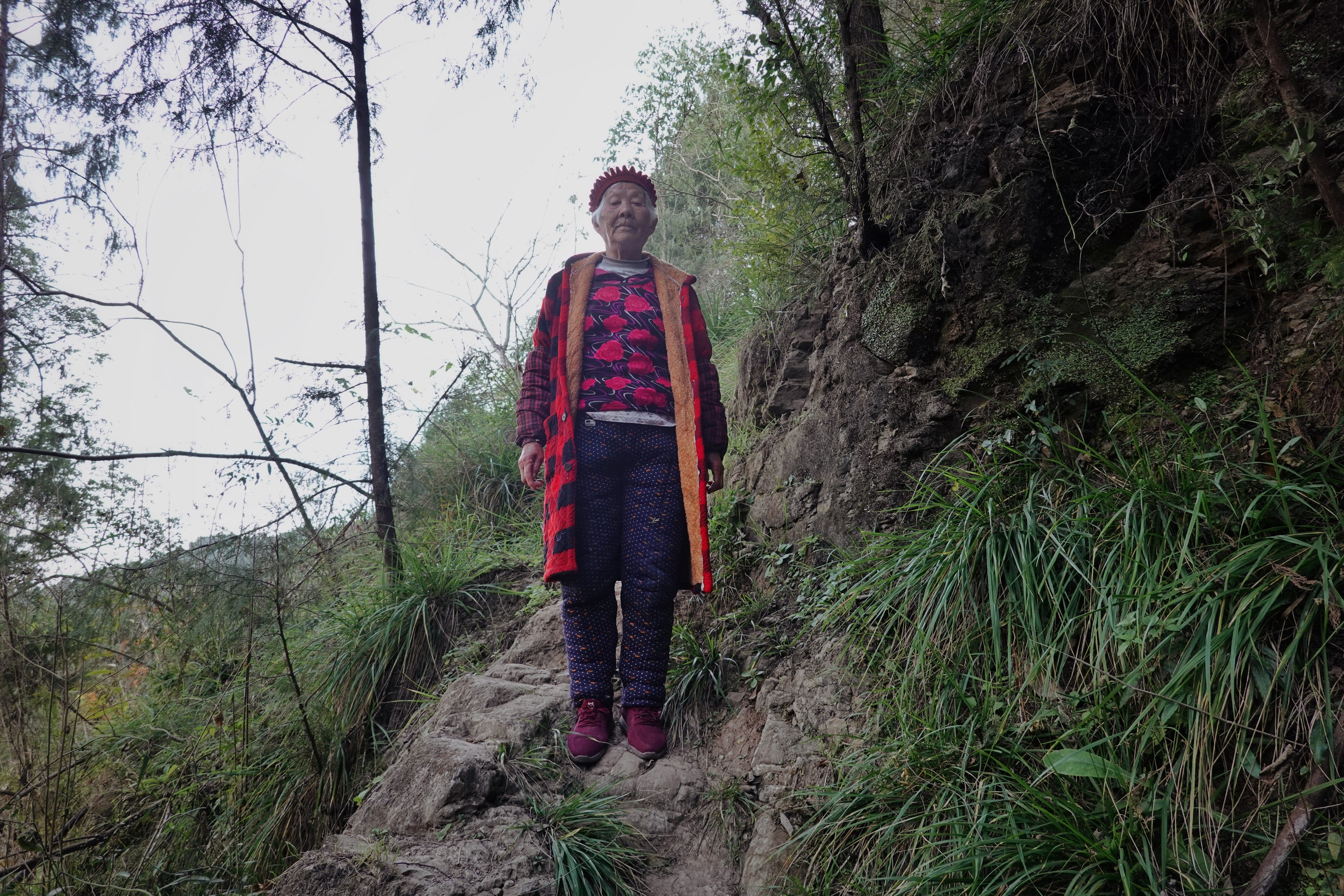
On my last day of fieldwork in Qitian, Grandma Lai invites me for a hike up the mountain. A few times, she grabs my arm, and at first, I would promptly reciprocate, assuming she was reaching out for support.
But quite soon I remember that she walks on these hills every day so, she, of course, was totally fine. She was doing it to steady me.
As we make our way down the final slope, a particularly steep one, I am so focused on watching my footing that only when I reach the bottom and turn around do I realise that Grandma Lai has stopped halfway.
“Take a photo of me standing here on the slope [给我在这个坡坡上拍张照],” she instructs, adjusting her layers of jumpers. “Make sure my mouth is closed this time!”
I smile, and get my camera out quicker than ever before.
I have learned so much from the people I write about here, and it gladdens me a lot to know that this project enables you to do so, too. But going forward with it, I want to think more about how we can close this loop. How we can make this a platform through which they can also learn about themselves and, to borrow Professor Xiang’s words again: the “profound, far-reaching significance” of everything they have so generously and humbly shared with us.
Common Ground • 乡遇
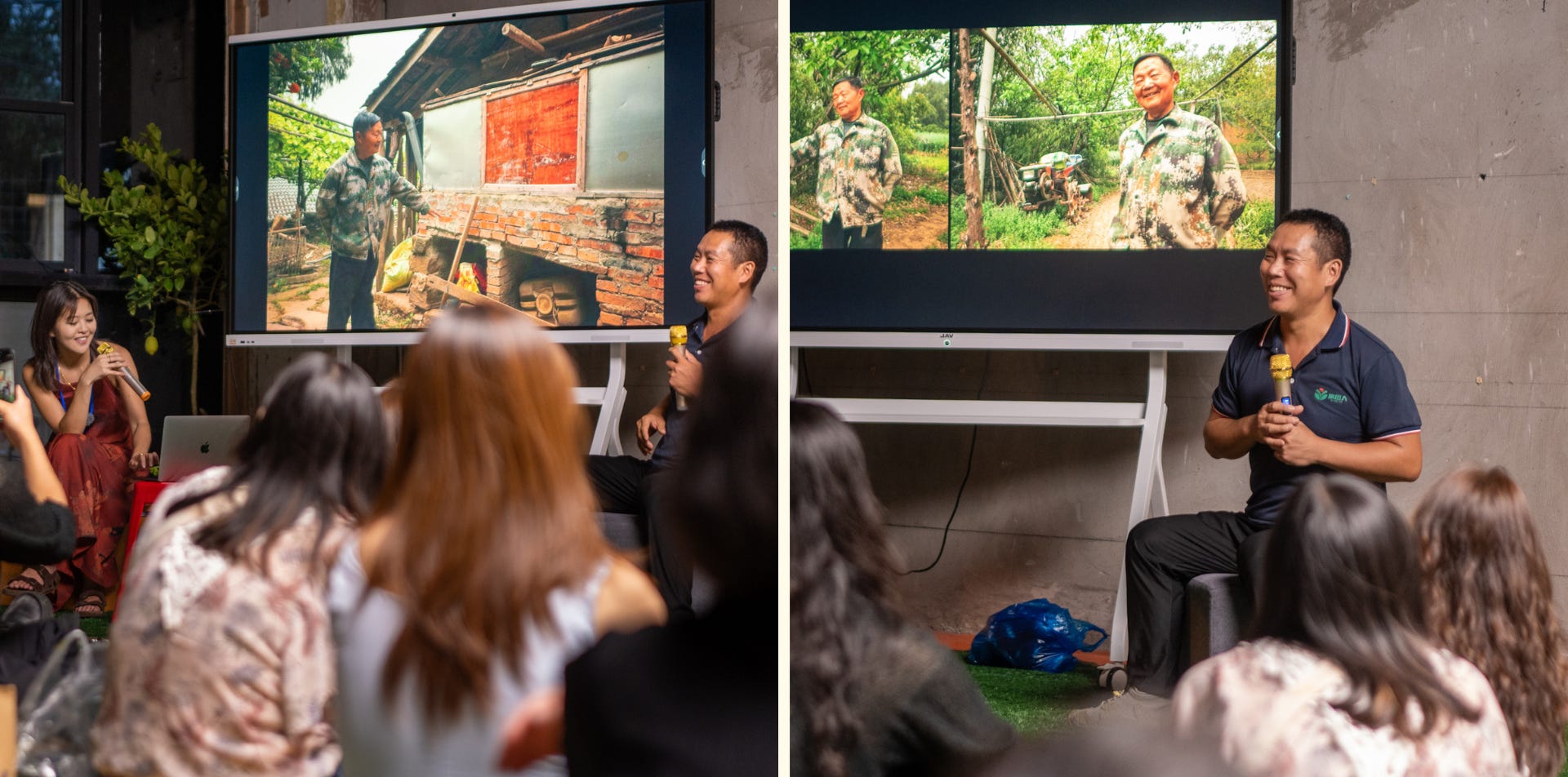
One way that I have started exploring these ideas for what I will tentatively call ‘closed-loop ethnography’ is through Common Ground • 乡遇, a bilingual, offline extension of Chinese Farm Chronicles I launched in September 2025. Its inaugural event gathered two hundred members of rural, urban and international communities from all over China and beyond in downtown Shanghai for a weekend of shared meals, storytelling and dialogue. Through ticket sales, sponsorships, and some generous contributions from you lot, I was able to fly in Mantou and five other rural community representatives from Sichuan, Hainan, Inner Mongolia and Hubei to share their stories, their produce, and join the dialogue in person.
I have been meaning to share a full write-up of the event here on Substack, but… life. Until I get around to doing that, enjoy this beautiful video recap, shot and edited by Shanghai-based filmmaker Jeremiah Neri. Thumbnail by Kathy Yuan (of Wèi 味 Collective).
More regular updates on @chinesefarmchronicles.
Wow I wanna do research right nowwww. This is so beautiful
Amazing stuff! Rigorous and fascinating ethnographic reflections. Thanks for the stories, and the transcription of the Biao Xiang talk.